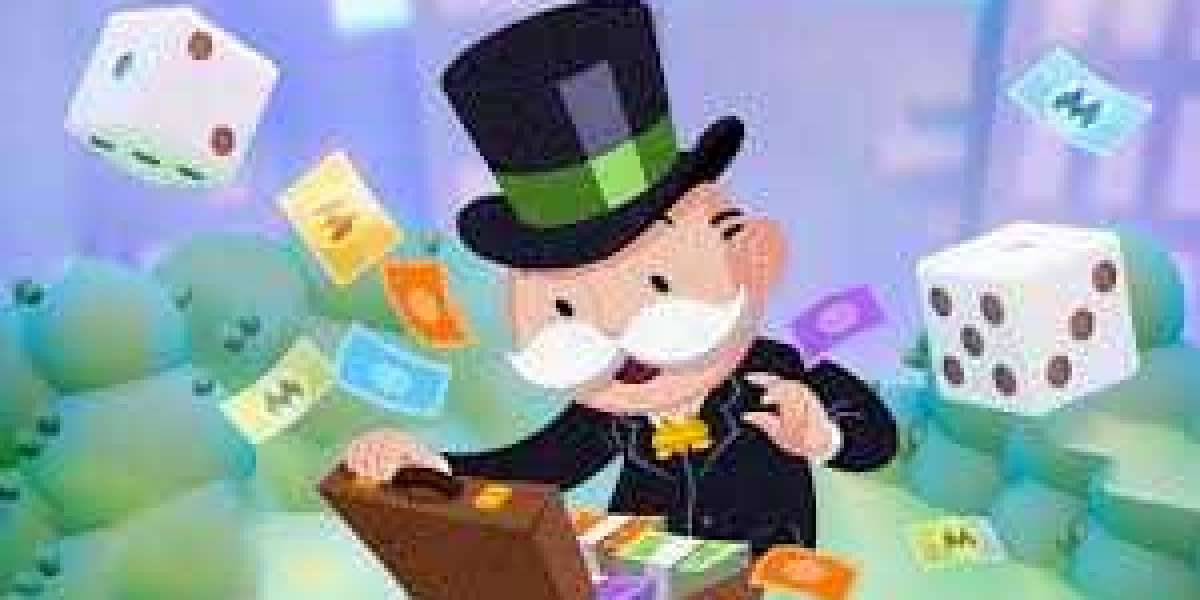

I came into Monopoly Go expecting a watered-down nostalgia trip, then got pulled in faster than I'd like to admit, especially once I started browsing how people prep for big co-op drops like a Monopoly Go Partners Event buy without burning a whole evening. The first surprise is how familiar it feels in your hands: tap, roll, collect, upgrade. But it's trimmed into quick hits. You're not committing to a four-hour grudge match at a kitchen table. You're squeezing in a few turns on the train, then putting it down like nothing happened.
Fast Rounds, Constant Little Wins
The pacing is the real magic trick. Everything's built around tiny payoffs: a new landmark level, a rent hit, a quick heist. The boards are bright and busy, and the animations do a lot of work to make it feel alive. It's not just "roll and move" anymore, it's "roll and see what chaos you trigger." You'll hit a Chance card and it actually feels like something is happening, not just reading a line and sliding a token forward. And yeah, you still spot the classic pieces and properties, but the vibe is more arcade than board night.
Stickers, Trading, And That Collector Brain
The sticker albums are where the game really sinks its teeth in. It's that old-school collector itch, the one that made you beg for one last pack to finish a page. You start caring about duplicates. You start doing the math. "If I can just complete this set, I'll get enough dice to push the next board." Then you end up in group chats trading like it's a tiny stock market. People love showing off a rare pull, and honestly, I get it. The albums give you a second reason to log in, even when you're not in the mood to grind landmarks.
Friends Make It Better, The Store Makes It Weird
Playing with other people changes everything. Partner events and team goals turn the routine into something you can actually talk about the next day. Mini-games help too—quick side modes that break up the loop and keep you from feeling like you're just tapping through the same motions. But the monetization creeps in the deeper you go. Dice runs out, album pages stall, and suddenly the game's whispering about bundles. Sometimes it's fine, sometimes it's pushy, and it can mess with that "everyone's even" feeling the old board game had.
Why I Still Come Back
Even with the pressure points, it's hard not to respect how well it's tuned for real life. You can play for two minutes and still feel like you moved forward, which is kind of the whole point. If you're trying to stay competitive during events without constantly staring at the shop screen, some players look at services that help with in-game currency or items, and that's where RSVSR comes up in conversations as a practical option to keep momentum without turning every session into a spending decision.