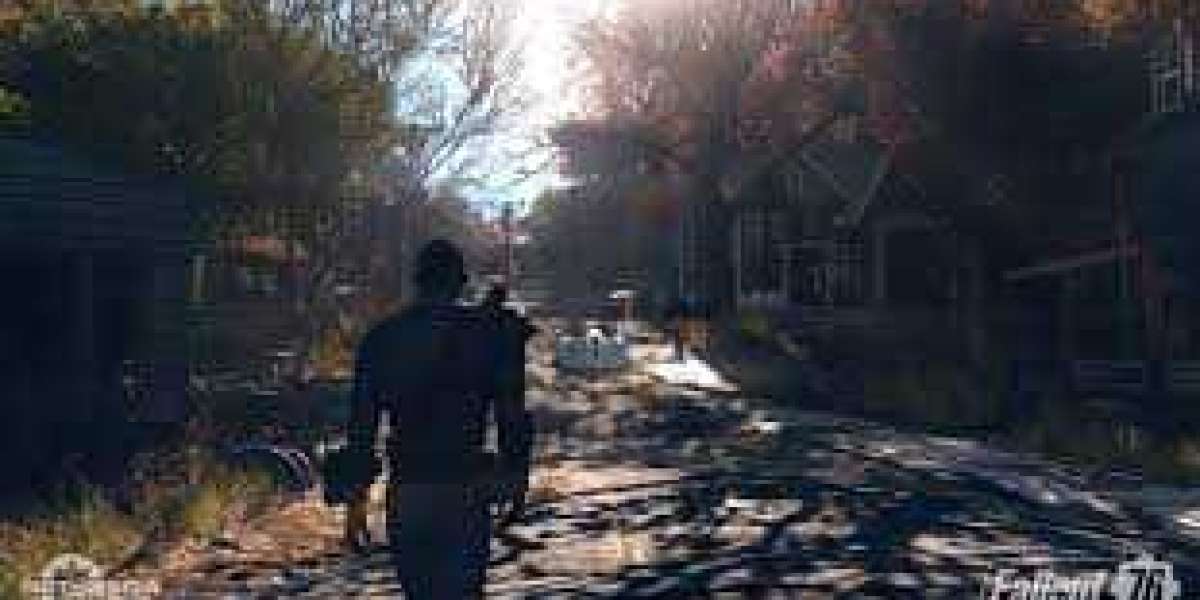

The narrative journey of Fallout 76 is a unique experiment in layered storytelling. Unlike its predecessors, which presented a largely complete historical picture, 76 tasked its initial inhabitants with being the first archaeologists of a fresh apocalypse. The lore of this game is not a single thread to follow, but a sprawling tapestry woven from disparate, often tragic, strands left behind by those who perished mere decades before. To explore Appalachia is to engage in forensic world-building, piecing together a regional history that is rich, darkly humorous, and deeply embedded in the environment itself. Central to understanding this fractured past are the countless **holotapes** scattered across the hills and ruins.
At launch, these **holotapes** were the primary vessels of narrative. With no living human NPCs to interact with, the voices of the dead became the player's only companions and guides. This method created an intimate, somber, and deeply personal connection to the lore. One didn't just learn about the collapse of the Responders, a group of first responders and firefighters trying to maintain order; you heard the weary, desperate final broadcasts of their leader as the Scorched plague overran their last stand at the Charleston Fire Department. You didn't just read about corporate espionage; you listened to the private, panicked messages between executives of Hornwright Industrial and Poseidon Energy as their rivalry doomed the region. These were not dry history lessons; they were real-time collapses captured in audio, granting a poignant immediacy to the past.
The lore of Fallout 76 excels in its regional specificity and its embrace of West Virginian folklore. The game doesn't just present generic post-war factions; it presents factions that could only have arisen from this specific set of circumstances. The Free States, a group of paranoid secessionists who built survivalist bunkers, feel like a direct reaction to both pre-war government overreach and the imminent nuclear threat. The fanatical Mothman Cultists are a brilliant fusion of post-apocalyptic religion and local cryptid legend. Through environmental clues, notes, and holotapes, the game builds the complete arc of these groups—their founding ideals, their internal conflicts, and their ultimate, often horrifying, demises.
This foundational lore, discovered through exploration, became the critical backdrop for the new stories that arrived with living humans. When the settlers of Foundation and the raiders of Crater returned, they were walking into a history players had already uncovered. Understanding the legacy of the Free States gave context to certain characters' distrust of authority. Knowing the fate of the original Responders added weight to the new faction's attempts to reclaim their legacy. The old **holotapes** provided depth and tragedy that made the new, hopeful narratives more resonant.
Therefore, the lore of Fallout 76 Boosting is a collaborative puzzle between the developer and the player. It is a history actively assembled, voice log by voice log, terminal entry by terminal entry. This method fosters a powerful sense of discovery and ownership over the narrative. The story of Appalachia isn't told to you; it is heard in the static-filled whispers of the dead, waiting in a ruined house or a desolate office, rewarding the curious with a deeper, richer understanding of the beautiful, doomed world they now inhabit. The tapes may have stopped recording, but the stories they hold continue to echo.