
In the high-stakes environment of modern healthcare, clear communication is the bedrock of patient safety, effective treatment, and legal integrity. At the heart of this communication lies medical documentation—the detailed record of a patient's history, examinations, diagnoses, and care plans. These documents are far more than administrative formalities; they are the continuous narrative of a patient's health journey. They facilitate coordination among diverse specialists, inform critical clinical decisions, and serve as the definitive account of care provided. In an era of complex medicine and collaborative treatment models, the accuracy, clarity, and timeliness of these records have never been more vital.
The process of creating these records begins at the point of care. Physicians, nurses, and other clinicians are tasked with capturing intricate details during or immediately after patient encounters. However, clinicians face immense pressure, balancing direct patient care with the burden of documentation. This dual demand can lead to burnout and, concerningly, to errors of omission or ambiguity in notes. Incomplete or unclear records can create dangerous gaps in a patient's story, potentially leading to misdiagnosis, medication errors, or duplicated tests. Furthermore, these documents are essential for securing appropriate reimbursement from insurance payers, who require specific codes and substantiating details to process claims, making precision a financial imperative as well as a clinical one.
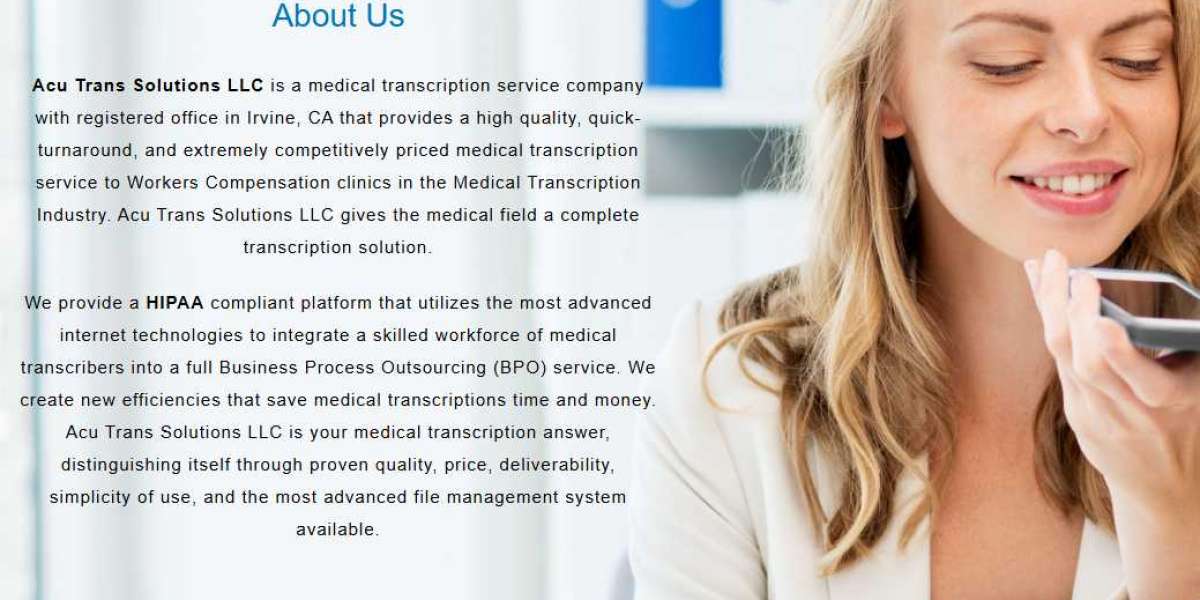
To bridge the gap between clinical duties and documentation demands, many healthcare providers turn to specialized external partners. These services employ skilled medical transcriptionists and editors who convert audio dictations from clinicians into properly formatted, error-free medical reports. By outsourcing this meticulous task, medical practices and hospitals can ensure their records are comprehensive and compliant without overburdening their clinical staff. This allows doctors to focus on patients, not paperwork, while guaranteeing that the permanent record meets all necessary standards. For institutions seeking a reliable partner in this essential function, engaging a professional service like medical transcription services is a strategic decision that enhances both operational efficiency and care quality.
The benefits of professional medical documentation extend beyond simple transcription. Advanced services now include the creation of structured medical records summaries, which distill lengthy patient histories into concise, actionable synopses for referrals, insurance reviews, or legal proceedings. This summarization is an art in itself, requiring a deep understanding of medical terminology and the clinical significance of various data points. Additionally, with the universal adoption of Electronic Health Records (EHRs), seamless integration is key. Top-tier documentation services ensure their outputs flow directly into the correct EHR fields, maintaining data integrity and enhancing the usability of the digital record for all authorized care team members.
Ultimately, investing in superior medical documentation is an investment in the entire healthcare delivery system. It creates a robust legal defense, supports optimal reimbursement, and, most importantly, fosters a seamless continuum of care. As healthcare continues to evolve with value-based care models and increased patient data access, the demand for precise, accessible, and well-organized records will only intensify. By prioritizing excellence in this foundational area, healthcare organizations not only protect themselves but also build a stronger, safer, and more coordinated environment for the patients they serve. The medical chart is more than a file; it is the lifeblood of informed and effective medicine.