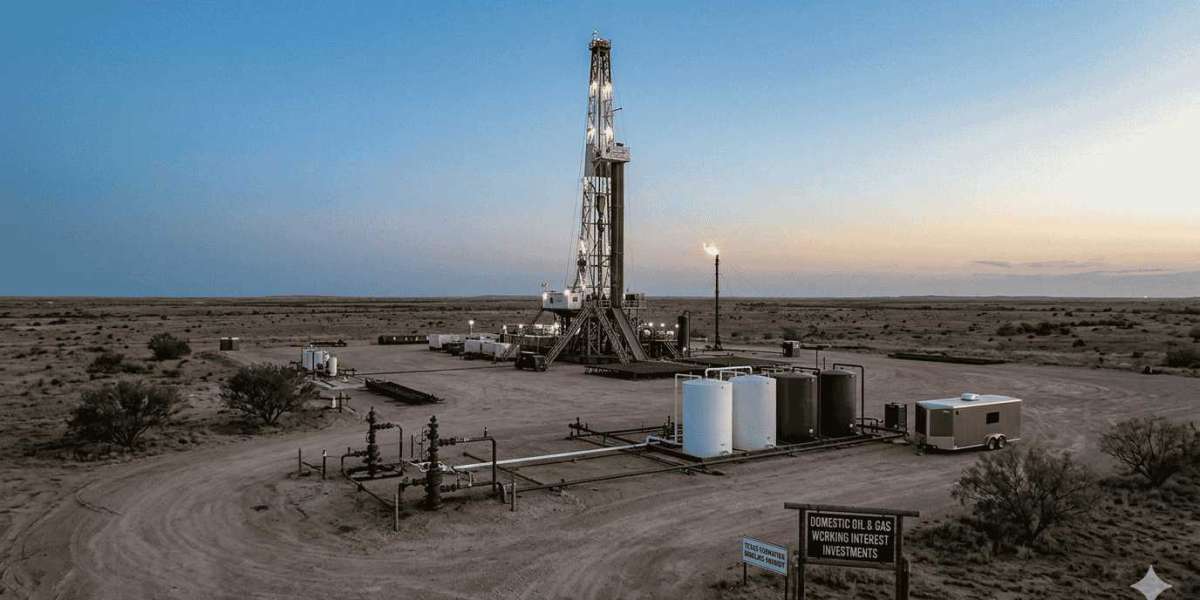

Texas has earned a lasting place in the American energy industry because of its long production history, broad infrastructure base, and deep technical expertise. Yet the real strength of the state’s resource potential lies below the surface, where layered rock systems and decades of exploration data continue to shape drilling strategies and investment decisions. For anyone studying upstream energy opportunities, a basic understanding of subsurface conditions can provide a major advantage when comparing one prospect to another.
Reservoir evaluation is about much more than identifying a promising county on a map. Productive potential is influenced by rock quality, thickness, pressure, porosity, hydrocarbon saturation, and the way those variables interact across a specific area. Even within famous producing regions, performance can vary from tract to tract. That is why experienced operators spend so much time reviewing offset well results, geologic models, completion histories, and infrastructure access before committing capital. A project that looks attractive in a summary presentation may tell a more complicated story once the technical details are examined.
For many investors, studying oil formations in texas is an important step in understanding how value is created in the field. These formations draw attention because they help explain why certain regions have delivered sustained drilling activity and repeat development potential over time. Their significance is not based on reputation alone. When a formation shows favorable characteristics such as strong reservoir quality, practical drilling depth, and consistent production history, it can provide a clearer framework for evaluating risk and return. That makes formation-level knowledge especially useful for investors who want more than general market commentary.
Of course, strong geology does not automatically guarantee strong economics. The operator’s execution still matters tremendously. A highly prospective zone can produce disappointing results if drilling is poorly planned, costs rise unexpectedly, or production declines faster than forecast. Lease terms, water disposal logistics, completion design, service pricing, and commodity market conditions can all affect whether a technically promising project becomes a financially successful one. Smart investors therefore look at geology and operations together rather than treating them as separate issues.
Texas continues to stand out because it offers both geological diversity and a mature energy ecosystem. Service companies, pipeline systems, experienced field personnel, and extensive production records give operators and investors more information to work with than they may find in newer regions. That added visibility can improve decision-making, especially for those willing to compare multiple opportunities instead of relying on a single narrative. In energy, better information often leads to better discipline.
The most effective approach is to stay focused on specifics. Rather than being swayed by broad claims about a basin or a region, investors are usually better served by reviewing reservoir quality, operator capability, development plans, and downside assumptions. Texas offers substantial opportunity, but the best outcomes tend to come from careful analysis, realistic expectations, and a willingness to look beneath the surface before making a commitment.