
A batch pH neutralization system is a highly controlled method used in industrial wastewater treatment to ensure that every discharge meets strict pH compliance standards. Unlike continuous systems, batch systems treat wastewater in fixed volumes, allowing for more accurate and consistent results.
In a batch pH neutralization system, wastewater is first collected in a dedicated treatment tank. Once the tank reaches a predetermined level, the system begins the neutralization process. Sensors continuously monitor the pH, and automated controls add either acid or alkaline chemicals to bring the solution into the desired range. Only after the system confirms that the pH is stable and within limits is the treated water released.
This step-by-step treatment approach is one of the biggest advantages of batch systems. Because the entire volume is treated before discharge, there is virtually no risk of releasing out-of-spec wastewater. This makes batch systems especially valuable in industries where compliance is critical and wastewater composition can vary significantly.
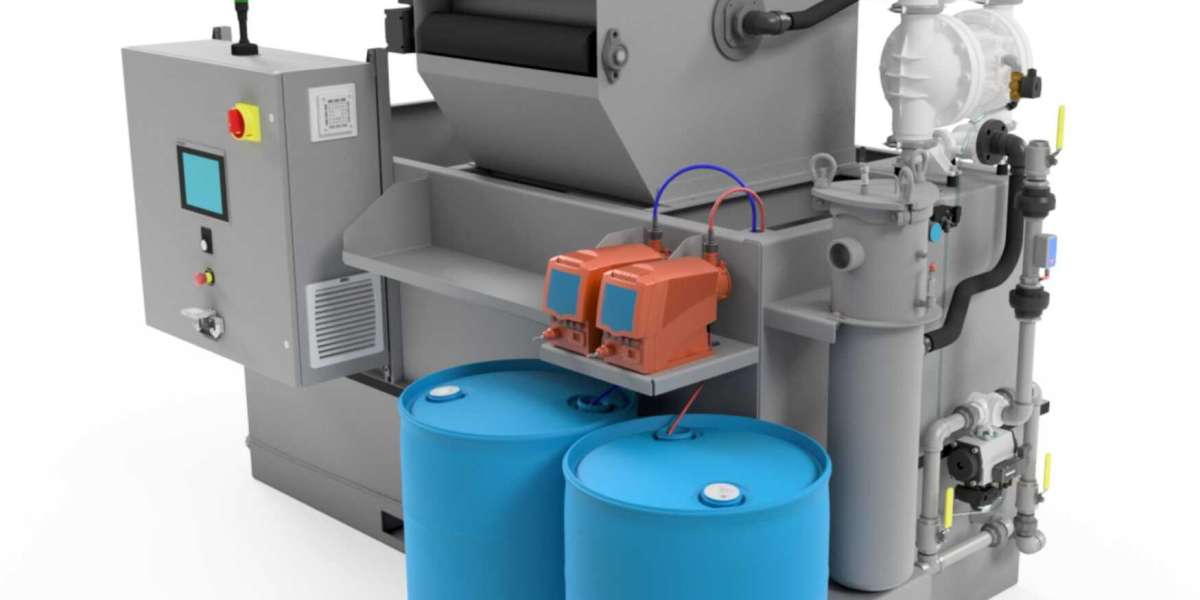
The core components of a batch pH neutralization system include a reaction tank, pH sensors, chemical dosing pumps, mixers, and a control system. The mixer ensures that chemicals are evenly distributed, while the control system adjusts dosing in real time based on sensor feedback. This combination allows for precise chemical reactions and stable outcomes.
The process typically follows a cycle. First, the tank fills with wastewater. Then, mixing begins and chemicals are gradually added until the target pH is reached. After that, the system holds the solution briefly to confirm stability. Finally, the treated water is discharged, and the system resets for the next batch. This cycle ensures that each batch meets environmental standards before release.
One of the key benefits of a batch pH neutralization system is accuracy. Since the system works with a fixed volume, it can precisely calculate the amount of chemicals needed. This reduces the risk of overuse or underuse, leading to better efficiency and lower operational costs. Batch processing also allows for better control when dealing with highly variable or unpredictable wastewater streams.
Another major advantage is regulatory compliance. Environmental agencies require strict pH limits for wastewater discharge, typically within a neutral range. Batch systems verify that each treated batch meets these limits before release, helping facilities avoid fines, penalties, or operational disruptions.
Batch systems are particularly suitable for facilities with intermittent or low-volume wastewater flow. Industries such as metal finishing, chemical processing, laboratories, and pharmaceutical manufacturing often benefit from this approach because their wastewater characteristics can change frequently.
In addition to compliance, these systems also improve safety. By automating chemical dosing and minimizing manual handling of acids and bases, they reduce the risk of worker exposure to hazardous substances. This creates a safer working environment while maintaining treatment efficiency.
Another important benefit is chemical optimization. Because the system uses real-time data to adjust dosing, it minimizes chemical waste. This not only reduces costs but also supports more sustainable operations by limiting excess chemical discharge.
Batch pH neutralization systems can also handle extreme pH conditions. Whether wastewater is highly acidic or highly alkaline, the system can gradually adjust it to a safe level. This flexibility makes batch systems a reliable choice for industries with complex wastewater profiles.
Compared to continuous systems, batch systems offer greater consistency. Continuous systems treat wastewater as it flows, which can sometimes lead to fluctuations if the influent changes rapidly. Batch systems, on the other hand, complete the entire neutralization process before discharge, ensuring uniform quality every time.
Customization is another key feature. Batch systems can be designed to match specific tank sizes, flow rates, and wastewater characteristics. This makes them adaptable to both small-scale operations and larger industrial facilities.
Maintenance is relatively straightforward but essential. Regular calibration of pH sensors and inspection of dosing equipment ensure that the system continues to operate accurately. With proper maintenance, batch systems can provide reliable performance over long periods.
In conclusion, a batch pH neutralization system is an effective and precise solution for industrial wastewater treatment. By treating wastewater in controlled batches, it ensures consistent pH levels, regulatory compliance, cost efficiency, and improved safety.