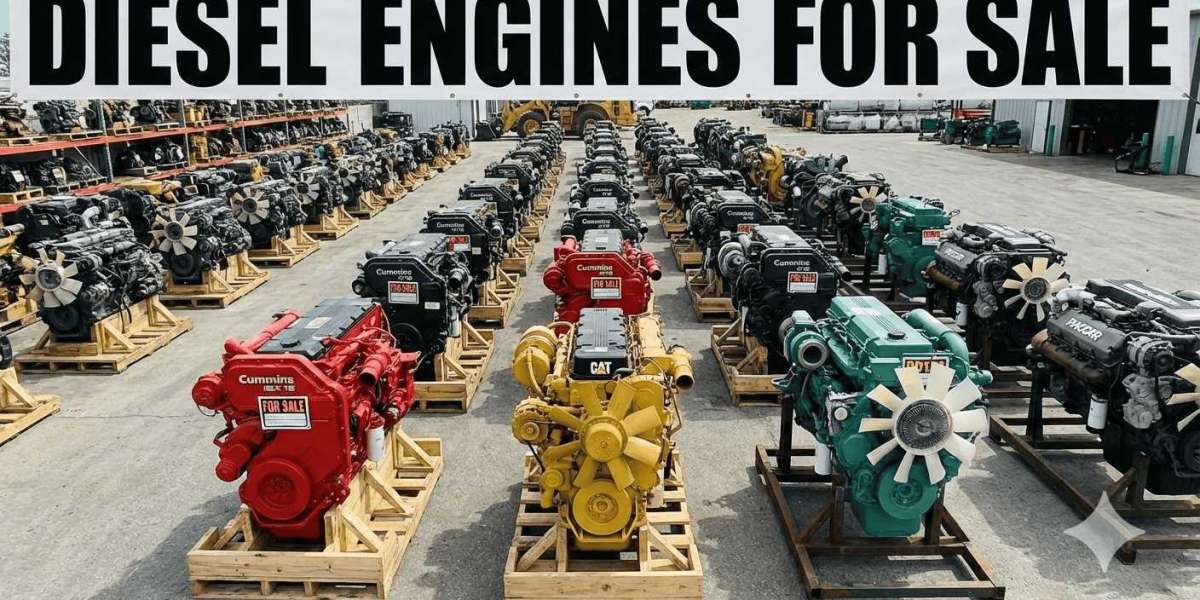

Heavy-duty trucks and commercial equipment demand engines that can deliver consistent power, efficiency, and reliability. Whether you operate a long-haul fleet, manage construction machinery, or run agricultural equipment, selecting the proper engine is critical to maintaining productivity. Downtime can quickly become costly, so investing in a dependable power source ensures smoother operations and better long-term returns. With numerous options available on the market, buyers must carefully evaluate performance specifications, compatibility, and overall condition before making a purchase.
When searching for an engine for sale, it’s essential to consider the intended application. Different industries require varying horsepower and torque ratings depending on workload demands. For example, highway trucks hauling heavy freight may prioritize fuel efficiency and high torque output, while vocational trucks used in construction might focus more on durability and consistent low-speed power. Understanding these distinctions helps narrow down options and ensures the selected engine meets operational requirements.
Another important factor is whether to purchase a new, remanufactured, or used engine. New engines often provide the latest technological advancements and warranty coverage, while remanufactured and used engines can offer significant cost savings. However, when choosing a pre-owned option, it’s crucial to review maintenance records, mileage, and inspection reports. Reputable suppliers typically conduct thorough evaluations to verify performance and reliability before listing engines for sale. This added transparency provides peace of mind and reduces the risk of unexpected repairs.
Fuel economy has become increasingly important for fleet managers aiming to control operational costs. Modern diesel engines incorporate advanced fuel injection systems and electronic control modules that optimize combustion and reduce emissions. These technologies not only improve efficiency but also ensure compliance with environmental standards. By selecting an engine built with updated components and engineering improvements, operators can benefit from both enhanced performance and lower fuel expenses.
Parts availability and service support also play a significant role in the decision-making process. Engines from well-established manufacturers often have a broad network of service centers and readily accessible replacement parts. This can significantly reduce downtime if maintenance or repairs become necessary. Additionally, consulting with knowledgeable sales representatives can help clarify compatibility questions and technical details before finalizing a purchase.
Ultimately, choosing the right engine requires balancing power, reliability, and budget considerations. By partnering with a trusted supplier and conducting thorough research, buyers can secure a high-quality engine that supports long-term performance and keeps their equipment running efficiently for years to come.