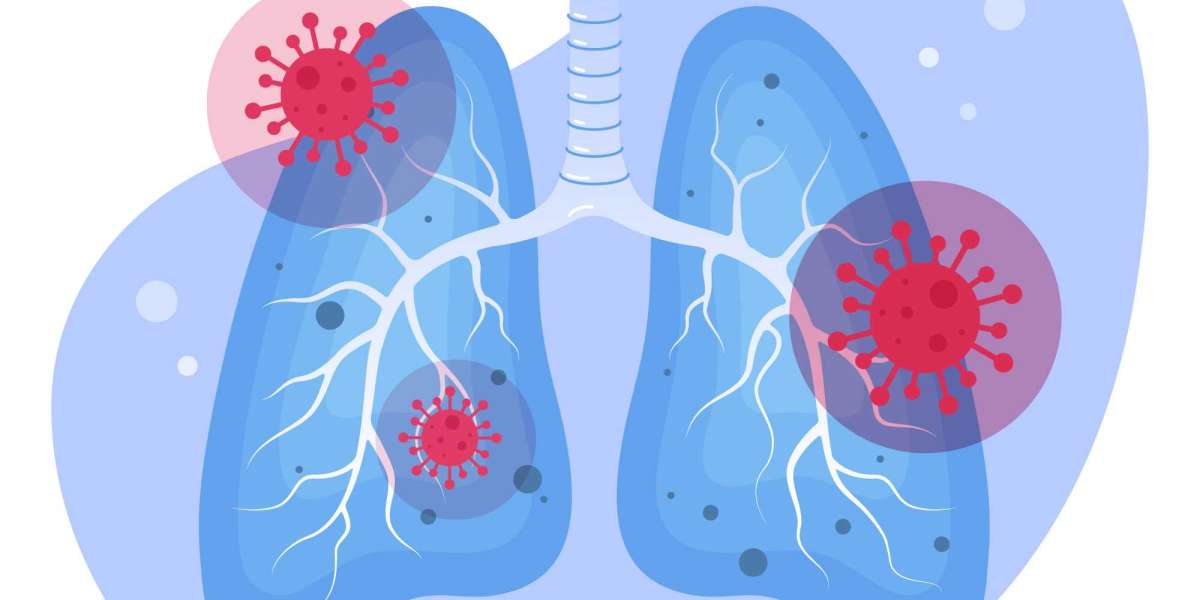

Pneumonia is a serious respiratory infection that affects the lungs, causing inflammation of the air sacs (alveoli), which may fill with fluid or pus. It can be caused by bacteria, viruses, fungi, or, less commonly, parasites.
While pneumonia can affect people of all ages, it is particularly dangerous for infants, older adults, pregnant women, and individuals with weakened immune systems or chronic illnesses. The good news is that many cases of pneumonia are preventable through a combination of vaccination, hygiene, lifestyle choices, and early medical care.
Understanding the best ways to prevent pneumonia is essential not only for individuals but also for families, healthcare providers, and public health systems.
1. Vaccination: The Most Effective Preventive Measure
Vaccination is one of the most powerful tools for preventing pneumonia, especially bacterial and viral forms.
Pneumococcal Vaccines
Pneumococcal pneumonia is caused by Streptococcus pneumoniae. Vaccines such as PCV13, PCV15, PCV20, and PPSV23 significantly reduce the risk of severe illness. These vaccines are recommended for:
Children under 5 years
Adults aged 65 and older
People with chronic conditions (diabetes, heart disease, lung disease)
Immunocompromised individuals
Influenza Vaccine
Influenza is a major cause of viral pneumonia and can also weaken the lungs, making bacterial pneumonia more likely. Annual flu vaccination reduces both direct viral pneumonia and secondary bacterial infections.
COVID-19 and Other Vaccines
COVID-19, measles, and whooping cough (pertussis) can all lead to pneumonia. Staying up to date with recommended immunizations helps reduce this risk.
2. Practice Good Respiratory Hygiene
Respiratory pathogens spread easily through droplets and contaminated surfaces. Simple hygiene practices play a crucial role in prevention.
Wash hands frequently with soap and water for at least 20 seconds
Use alcohol-based hand sanitizers when soap is unavailable
Cover your mouth and nose when coughing or sneezing
Avoid touching your face, especially your eyes, nose, and mouth
Wear a mask in crowded or high-risk environments when appropriate
These measures are especially important during cold and flu season or outbreaks of respiratory illness.
3. Strengthen the Immune System
A strong immune system helps the body fight infections before they become severe.
Nutrition
Eat a balanced diet rich in fruits, vegetables, lean protein, and whole grains
Ensure adequate intake of vitamins such as A, C, D, and E, as well as zinc and selenium
Sleep and Stress Management
Aim for 7–9 hours of quality sleep per night
Manage stress through exercise, mindfulness, or relaxation techniques
Regular Physical Activity
Moderate exercise improves lung capacity, circulation, and immune response, all of which help reduce infection risk.
4. Avoid Smoking and Limit Alcohol
Smoking is one of the strongest risk factors for pneumonia. It damages the cilia in the airways, which normally help clear bacteria and debris from the lungs. Smokers are more likely to develop severe pneumonia and experience complications.
Excessive alcohol use also weakens the immune system and increases the risk of aspiration pneumonia, where food or liquid enters the lungs.
Quitting smoking and moderating alcohol intake are among the most impactful long-term preventive steps.
5. Manage Chronic Medical Conditions
People with chronic diseases are at higher risk of pneumonia and its complications.
Diabetes: Maintain good blood sugar control
Asthma and COPD: Use prescribed inhalers correctly and consistently
Heart disease: Follow treatment plans and attend regular checkups
Kidney or liver disease: Monitor overall health closely
Regular follow-up with healthcare providers ensures these conditions are well managed, reducing susceptibility to lung infections.
6. Prevent Hospital-Acquired and Aspiration Pneumonia
Hospital-acquired pneumonia (HAP) and ventilator-associated pneumonia (VAP) are serious concerns in healthcare settings.
Key preventive strategies include:
Proper hand hygiene by healthcare staff and visitors
Oral care for hospitalized or bedridden patients
Elevating the head of the bed to reduce aspiration risk
Early mobilization after surgery or illness
In clinical environments, antibiotics such as ceftriaxone are commonly used to treat bacterial pneumonia under strict medical supervision. This is why hospitals and pharmacies rely on a reliable ceftriaxone injection supplier to ensure consistent availability of quality-assured medications. However, it is critical to emphasize that antibiotics are for treatment not prevention and should only be used when prescribed by a qualified healthcare professional.
7. Reduce Exposure to Environmental and Occupational Risks
Air pollution, chemical fumes, and dust can irritate the lungs and make them more vulnerable to infection.
Use protective equipment in high-risk occupations
Improve indoor air quality with ventilation and air filtration
Avoid prolonged exposure to polluted outdoor air when possible
For individuals living in urban or industrial areas, these measures can significantly reduce respiratory stress.
8. Seek Early Medical Care for Respiratory Symptoms
Early recognition and treatment of respiratory infections can prevent progression to pneumonia.
Warning signs include:
Persistent fever
Shortness of breath
Chest pain when breathing or coughing
Thick or discolored sputum
Fatigue and confusion (especially in older adults)
Prompt medical evaluation allows clinicians to determine whether supportive care, antiviral therapy, or antibiotics are needed.
Conclusion
Preventing pneumonia requires a comprehensive approach that combines vaccination, hygiene, healthy lifestyle choices, and proactive medical care. While modern medicine has effective treatments including antibiotics supplied through trusted channels such as a ceftriaxone injection supplierb the ultimate goal is to reduce the need for treatment by preventing infection in the first place.
By staying informed, strengthening the immune system, managing chronic conditions, and seeking timely healthcare, individuals can significantly lower their risk of pneumonia and protect long-term lung health. Prevention not only saves lives but also reduces healthcare costs and improves overall quality of life.