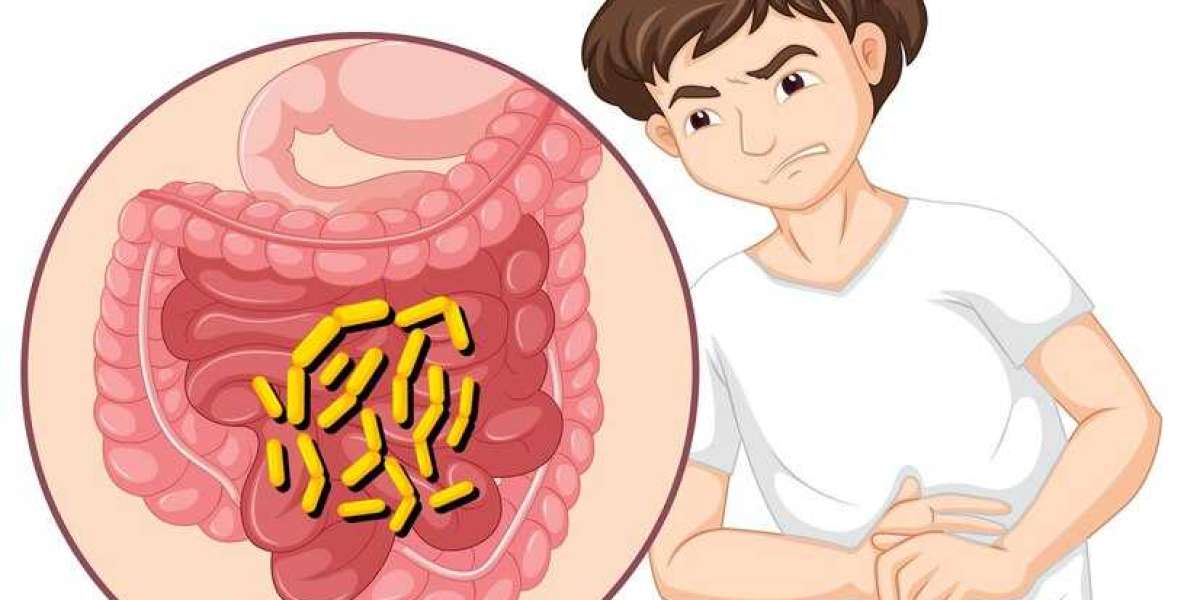

Liver fluke disease, medically known as fascioliasis, is a parasitic infection caused mainly by Fasciola hepatica and Fasciola gigantica. These parasites primarily affect the liver and bile ducts, leading to significant health problems in humans and animals if left untreated. Triclabendazole 250Mg Tablet is widely recognized as the treatment of choice for liver fluke disease due to its high efficacy, targeted action, and proven safety profile.
What Is Triclabendazole 250 Tablet?
Triclabendazole is a benzimidazole derivative specifically developed to treat infections caused by liver flukes. Unlike many broad-spectrum antiparasitic drugs, Triclabendazole is uniquely effective against both immature (juvenile) and adult stages of Fasciola species. The 250 mg tablet formulation allows for accurate dosing and convenient administration, making it suitable for use in both clinical and public health settings.
How Does Triclabendazole Works Against Liver Flukes?
Triclabendazole works by disrupting essential metabolic processes within the liver fluke. It interferes with the parasite’s microtubule function and energy metabolism, leading to paralysis and eventual death of the fluke. One of its key advantages is its ability to target immature flukes migrating through liver tissue as well as adult flukes residing in the bile ducts. This dual-stage activity significantly reduces treatment failure and disease recurrence. Triclabendazole Buy Online at our pharmacy Medzsupplier.
Uses of Triclabendazole 250 Tablet
The primary use of Triclabendazole 250 Tablet is the treatment of human fascioliasis. It is also used in veterinary medicine for controlling liver fluke infections in livestock, which helps reduce transmission to humans. In endemic regions, Triclabendazole plays an important role in mass drug administration programs aimed at controlling and eliminating liver fluke disease.
Dosage and Administration
Triclabendazole 250 Tablet is usually administered orally, often as a single dose or in two divided doses, depending on the severity of infection and medical guidelines. The dosage is generally calculated based on body weight. Taking the tablet with food, especially fatty meals, improves absorption and enhances its effectiveness. Patients should always follow a healthcare provider’s instructions to ensure optimal results.
Effectiveness and Clinical Benefits
Triclabendazole has shown cure rates exceeding 90% in many clinical studies, making it the most effective drug currently available for liver fluke disease. Its ability to eliminate both early and late stages of infection helps relieve symptoms such as abdominal pain, fever, fatigue, and liver enlargement. Early treatment with Triclabendazole can prevent long-term complications, including bile duct damage and chronic liver disease.
Safety and Side Effects
Triclabendazole 250 Tablet is generally well tolerated. Most side effects are mild and temporary, including nausea, abdominal discomfort, headache, or dizziness. In some cases, patients may experience symptoms related to the immune response against dying parasites, such as fever or biliary colic. Serious adverse effects are rare when the drug is used as prescribed.
Importance in Public Health
Liver fluke disease remains a major health concern in many developing countries, particularly in areas with poor sanitation and where raw aquatic plants are consumed. Triclabendazole 250 Tablet is included in the World Health Organization’s list of essential medicines for fascioliasis, highlighting its importance in global health efforts. Effective treatment not only improves individual health outcomes but also helps reduce disease transmission in communities.
Conclusion
Triclabendazole 250 Tablet is a highly effective and reliable treatment for liver fluke disease. Its unique ability to target all stages of Fasciola parasites, combined with high cure rates and good tolerability, makes it the gold standard therapy for fascioliasis. When used correctly under medical guidance, Triclabendazole plays a crucial role in controlling liver fluke infections and protecting liver health in both endemic and non-endemic regions.